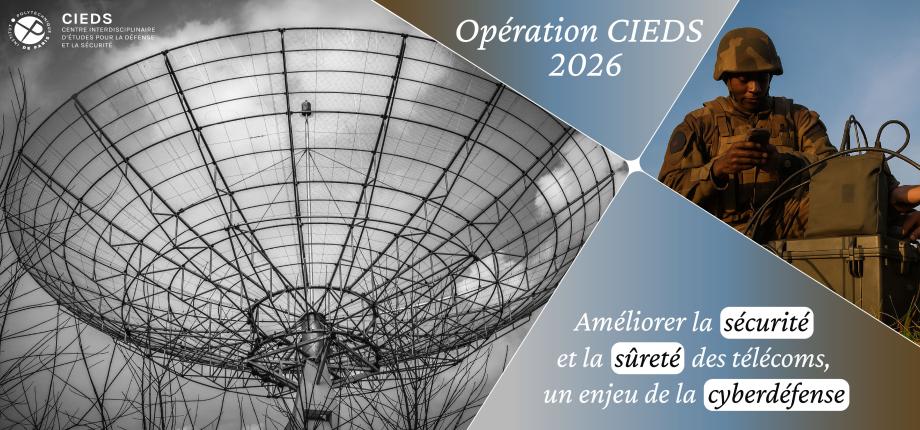
CIEDS Operation 2026: enhancing the security and the safety of telecommunications, a key challenge for cyber defence
Cyber defence at the U2IS laboratory of ENSTA
Within the U2IS of ENSTA, scientists such as Tarak Arbi, Clément Leroy, Melek Khemir and Emanuele Piantelli, supervised by Professor Benoît Geller, are developing algorithms designed to protect the physical and electronic links of telecommunications before the information system is digitised and secured by traditional cyber and IT means. The implemented algorithms provide protection through different approaches, explored in various projects funded by the Defence Innovation Agency via CIEDS.
Between 2021 and 2025, Benoît Geller is leading the CODIT2 project, with the aim of strengthening traditional methods of information transmission in hostile environments, particularly those based on a technique known as spread spectrum. This method consists of occupying a much wider frequency band than that used in conventional civilian communications: each bit of information is transformed into a burst of small information signals sent very rapidly, which disperses the signal and reduces its spectral density to the point where it becomes undetectable, as it is buried beneath the ambient noise level. Invented during the Second World War by Hedy Lamarr, a visionary American actress, this approach has long been a cornerstone of military communications and systems such as GPS. Recent advances in computing, artificial intelligence and detection capabilities are now making these transmissions more vulnerable. In CODIT2, Benoît Geller is therefore developing technologies complementary to spread spectrum to increase the resilience of communications and significantly complicate the task of potential attackers attempting to disrupt the reception of spread-spectrum signals.
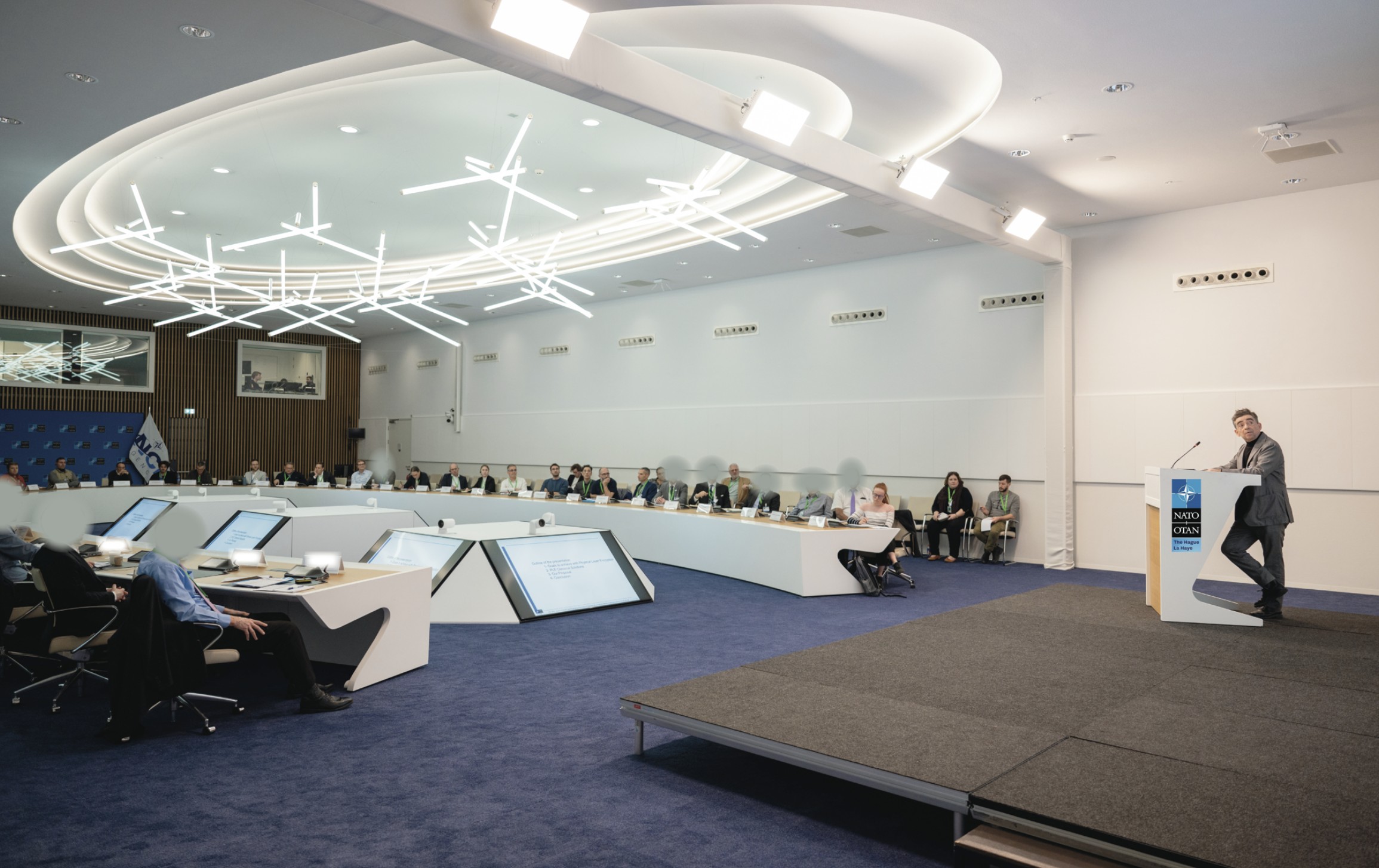
In 2023, another project was launched: the SEPHYTEL project, whose objective is to create genuine protective bubbles around telecommunications signals. More specifically, the signal is no longer transmitted by a single antenna, but by several antennas simultaneously. The energy is therefore not entirely devoted to the useful signal. Part of it is deliberately distributed into controlled interference noise. This noise is designed so that it has no component in the direction of the legitimate receiver, thereby ensuring clean reception. However, it is broadcast in all other directions, trapping sensors or “eavesdroppers” seeking to intercept the communication.
In October 2026, a third project, complementary to the other two, will begin: the FORCYBEL project. Its aim will be to develop a technology capable of withstanding a significant amount of interference while ensuring discreet transmission. “Preliminary studies have shown that certain waveforms are more resistant to interference than others, with differences in resilience ranging from a factor of 10 to a factor of 20,” comments the scientist.
From research to military and civilian applications
The CODIT2 and SEPHYTEL projects have dual applications, as they aim to protect signals already used in both civilian and military communications. The spread-spectrum transmission technique studied as part of CODIT2 is still used in systems such as GPS, certain Wi-Fi and Internet of Things networks, and 3G. “Although the 3G cellular network is expected to be phased out by 2028 and its civilian use, like that of 4G, is in sharp decline in favour of 5G, these networks are still currently used in the military domain,” the researcher points out.
.jpg)
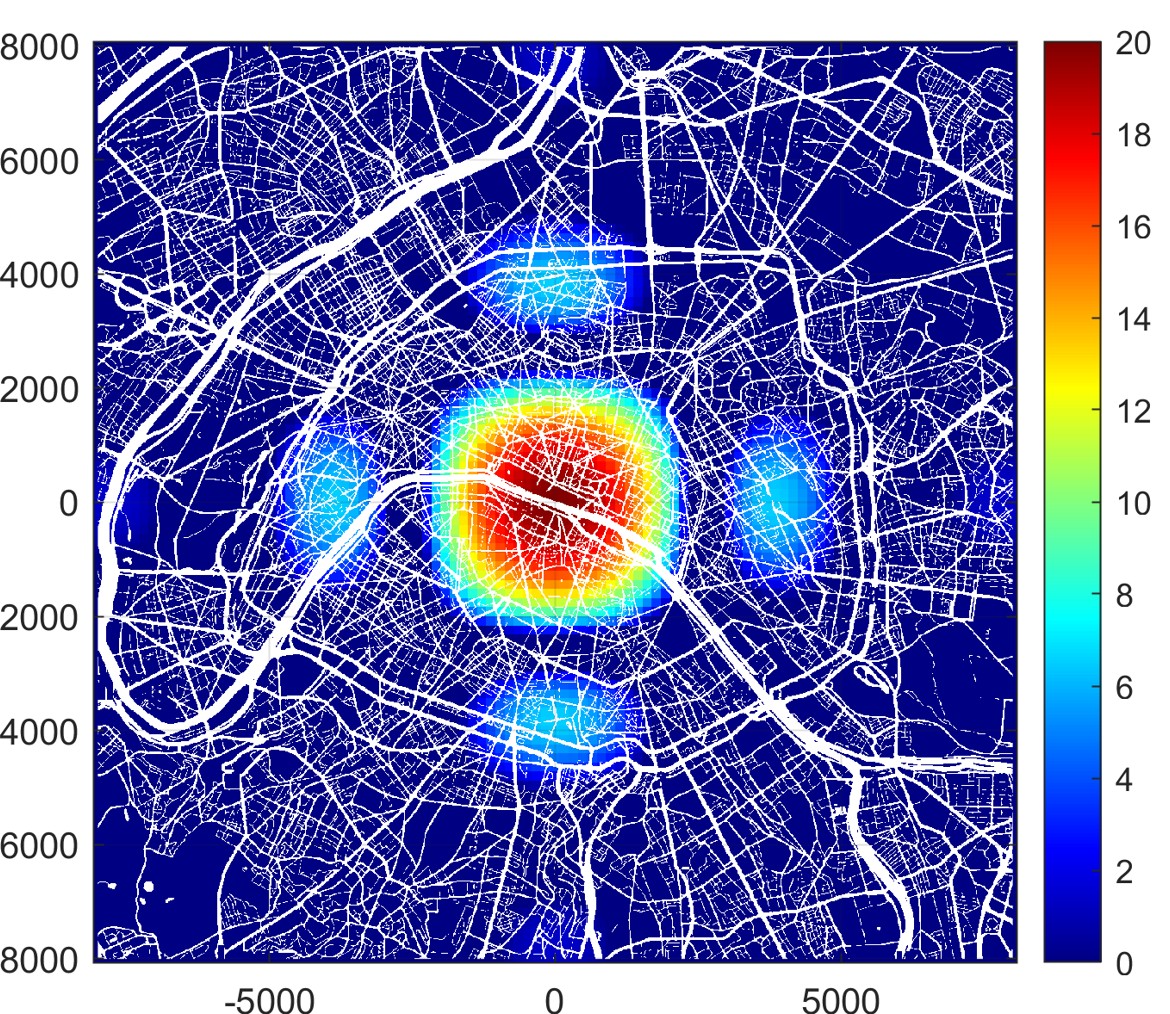
SEPHYTEL, for its part, addresses needs initially expressed in the civilian sector. Wi-Fi standardisation committees are working on the integration of spatial encryption, an approach that makes information visible only in one direction and invisible in all others. “The results obtained within this project could be used in the military field to, for example, make aerial communications between ground troops, aircraft, and command centres undetectable in their immediate environment, which is a major challenge during operations,” explains the scientist. SEPHYTEL could thus contribute to the deployment of secure “4G bubbles”, protecting fourth-generation signals against any attempt at interception or unauthorised extraction.
Conversely, the FORCYBEL project is exclusively focused on the military market. The studies carried out could help improve the transmission of information in the field. On the Ukrainian front, as soon as a military operator uses a means of communication, they currently have less than three minutes before being detected, located, and potentially targeted by a strike. The challenge is therefore to protect the signal, make it discreet, resilient to interference, and difficult to intercept.
A dual role: professor and reservist
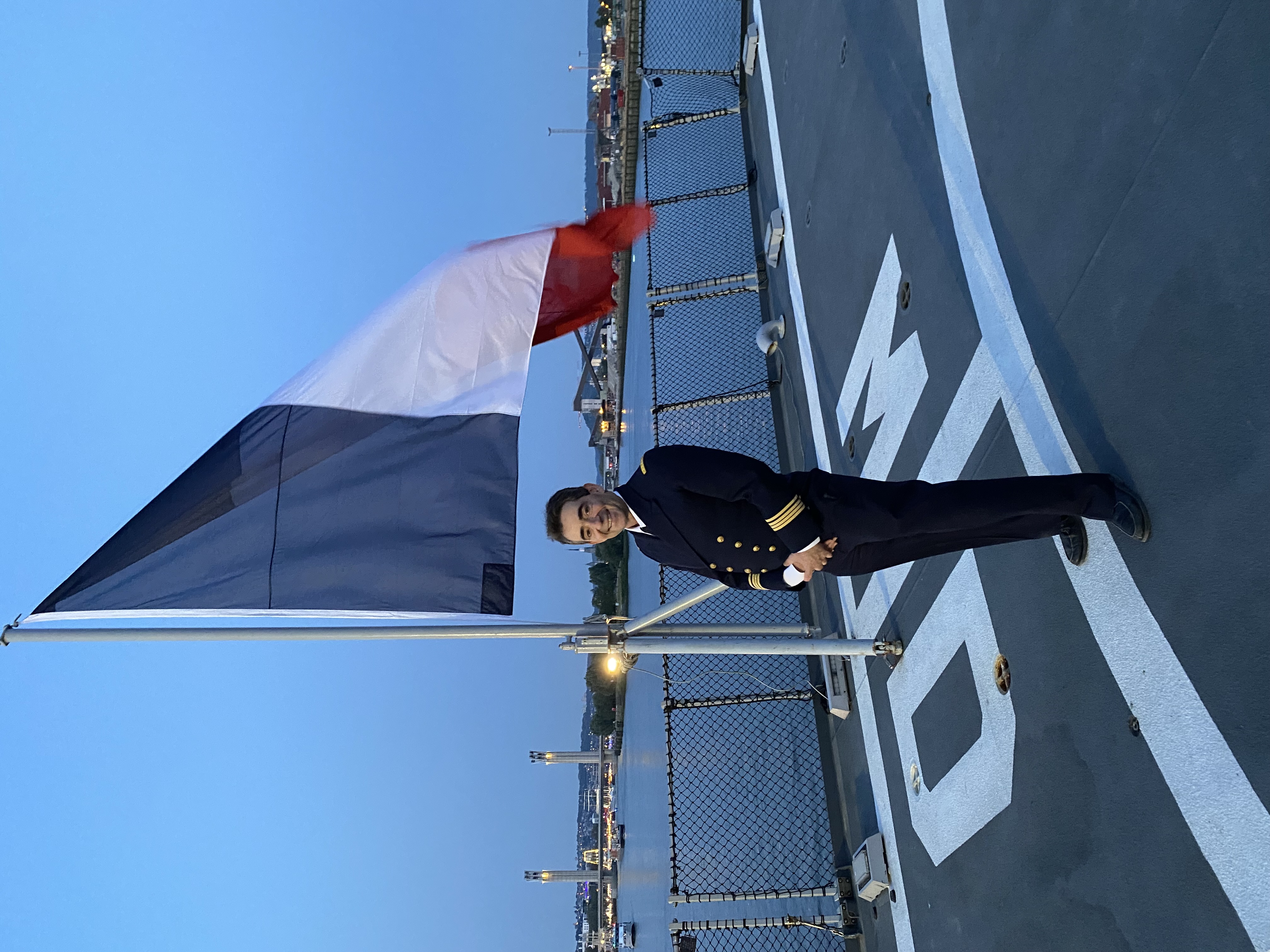
Benoît Geller is not only a professor within the U2IS of ENSTA. After completing his military service in the Navy in Toulon, he chose to commit as a reserve officer. According to him, this commitment came naturally. He also states that “military service acted as a common melting pot in which a collective identity was forged, providing a form of cohesion that is now lacking in our society”.
As a reservist, he carried out a mission within the Naval Fusiliers and Commandos force. This experience enabled him to understand the impact of carrying a weapon and the ways to protect oneself against it. He subsequently served at defence exhibitions such as Le Bourget International Paris Air Show. These various events allowed him to observe autonomous systems in real-life conditions. He also served as a reservist liaison officer in different ports and during various international missions, notably through the organisation of maritime convoys in conflict zones similar to the Strait of Hormuz. The researcher also had the opportunity to train military personnel in cyber tools as well as in certain radio techniques.
Benoît Geller emphasises that “even if these missions are not all directly related to his work as a researcher, they remain fascinating and extremely enriching”. The scientist points out that the armed forces constitute a complete social organisation that must operate autonomously, in which all professions have a role to play. He therefore encourages anyone wishing to step outside their daily routine and contribute to a meaningful cause in a spirit of camaraderie to join the reserves. Starting with a commitment of around ten to fifteen days per year is possible and allows individuals to discover the military institution while balancing civilian life with the military environment.